
Fuel smell
A smell of petrol, diesel or gas usually means a leak in the fuel lines, injectors, tank or CNG kit, or a rich-running engine. Any fuel leak near hot parts is a fire risk, so it should be treated as urgent. Do not drive with a strong raw-fuel smell; have the leak traced first.
Stop driving
Likely causes
| Likely cause | How likely | The fix |
|---|---|---|
Leaking fuel line or hose Rubber hoses crack with heat and age, leaking near the engine. Inspection under pressure finds the leak. | Common | Fuel line repair |
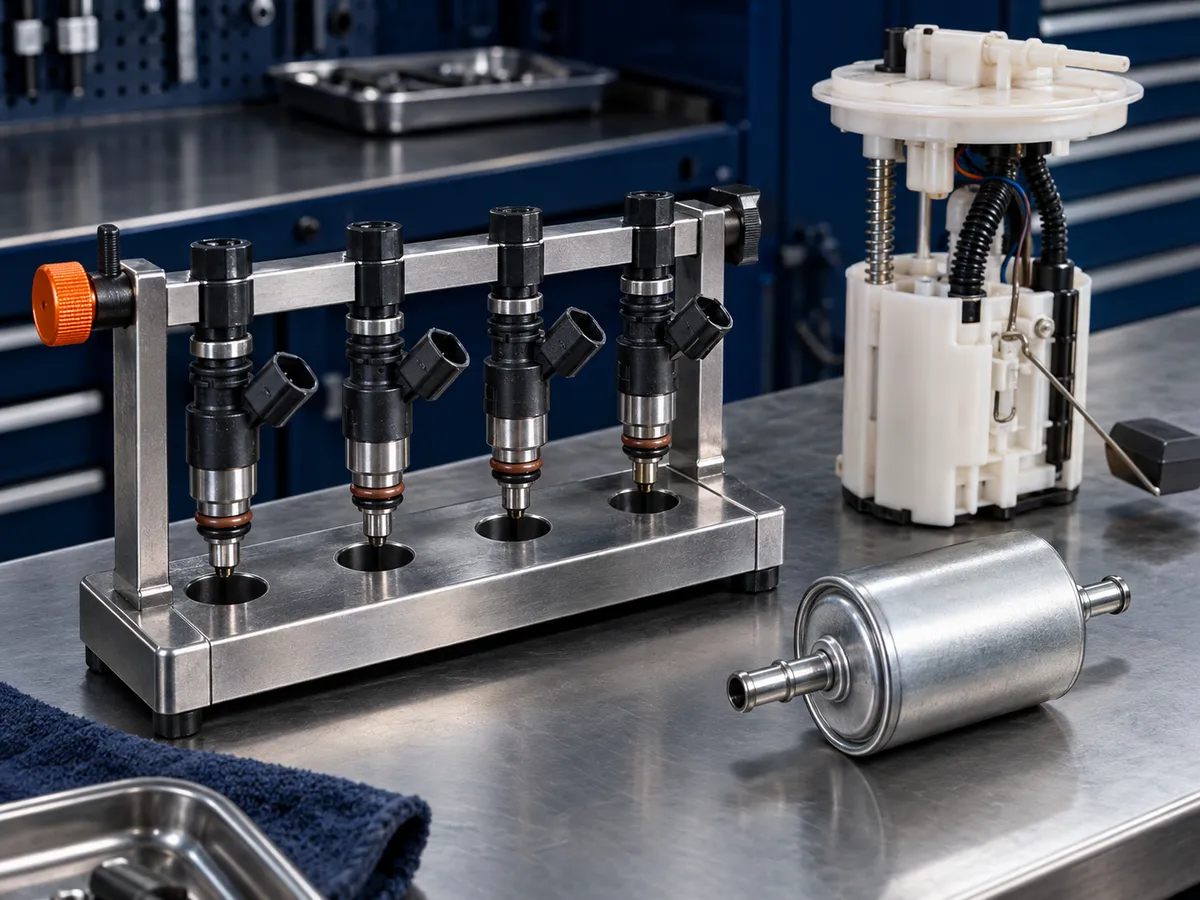
Leaking injector seals Hardened O-rings let fuel seep at the injectors. Visual inspection and pressure checks confirm it. | Possible | Fuel injector service |
CNG pipe or fitting leakSome cars only Loose fittings or old pipes on CNG kits leak gas. A leak detector or soap test confirms it. | Common | Cng kit inspection |
Carburettor floodingSome cars only A sticking float lets petrol overflow on older carburetted cars. Inspection shows wetness around the carburettor. | Possible | Carburetor repair |
Rich running and misfire Unburnt fuel in the exhaust smells strongly. Fuel trims and misfire data confirm it. | Possible | Engine misfire repair |
Diesel return line or filter housing leakSome cars only Diesel systems have return lines and filter housings that weep. Inspection shows oily residue. | Possible | Fuel filter service |
Faulty tank, filler neck or EVAP Rusty filler necks and failed vapour valves let fumes out. Inspection and smoke testing confirm it. | Less common | Fuel line repair |
General guidance based on how these cars are built and how they commonly wear. Your car’s own history matters more than any list, which is why a technician confirms the cause before quoting.
Can you keep driving?
No, if the smell is strong, persists, or you see drips. A brief smell after refuelling that fades quickly is less concerning. With a CNG smell, close the cylinder valve and keep flames away.
Checks you can do first
- Look under the car for wet patches or drips.
- Check the fuel cap is tight and its seal intact.
- Note whether the smell is stronger inside the cabin or outside.
- On CNG cars, note if the smell appears only when running on gas.
How a technician diagnoses it
Step 1
Inspect fuel lines, injectors and tank area with the system pressurised.
Step 2
Leak test CNG fittings and pipes where fitted.
Step 3
Scan for rich mixture and misfire.
Step 4
Check filler neck, cap and evaporative system.
By car model
- Toyota Corolla smelling of fuel
- Toyota Hilux smelling of fuel
- Toyota Fortuner smelling of fuel
- Toyota Land Cruiser Prado smelling of fuel
- Toyota Land Cruiser smelling of fuel
- Honda City smelling of fuel
- Suzuki Mehran smelling of fuel
- Suzuki Alto smelling of fuel
- Suzuki Cultus smelling of fuel
- Suzuki Bolan smelling of fuel
- Suzuki Ravi smelling of fuel
- Suzuki Khyber smelling of fuel
- Suzuki Margalla smelling of fuel
- Suzuki Liana smelling of fuel
- Suzuki Baleno smelling of fuel
- Daihatsu Cuore smelling of fuel
- Nissan Sunny smelling of fuel
- Hyundai Santro smelling of fuel
- Mitsubishi Lancer smelling of fuel
- Mitsubishi Pajero smelling of fuel
- Toyota Hiace smelling of fuel
- Suzuki APV smelling of fuel
Warning lights and codes linked to it
Parts usually involved
Have it diagnosed
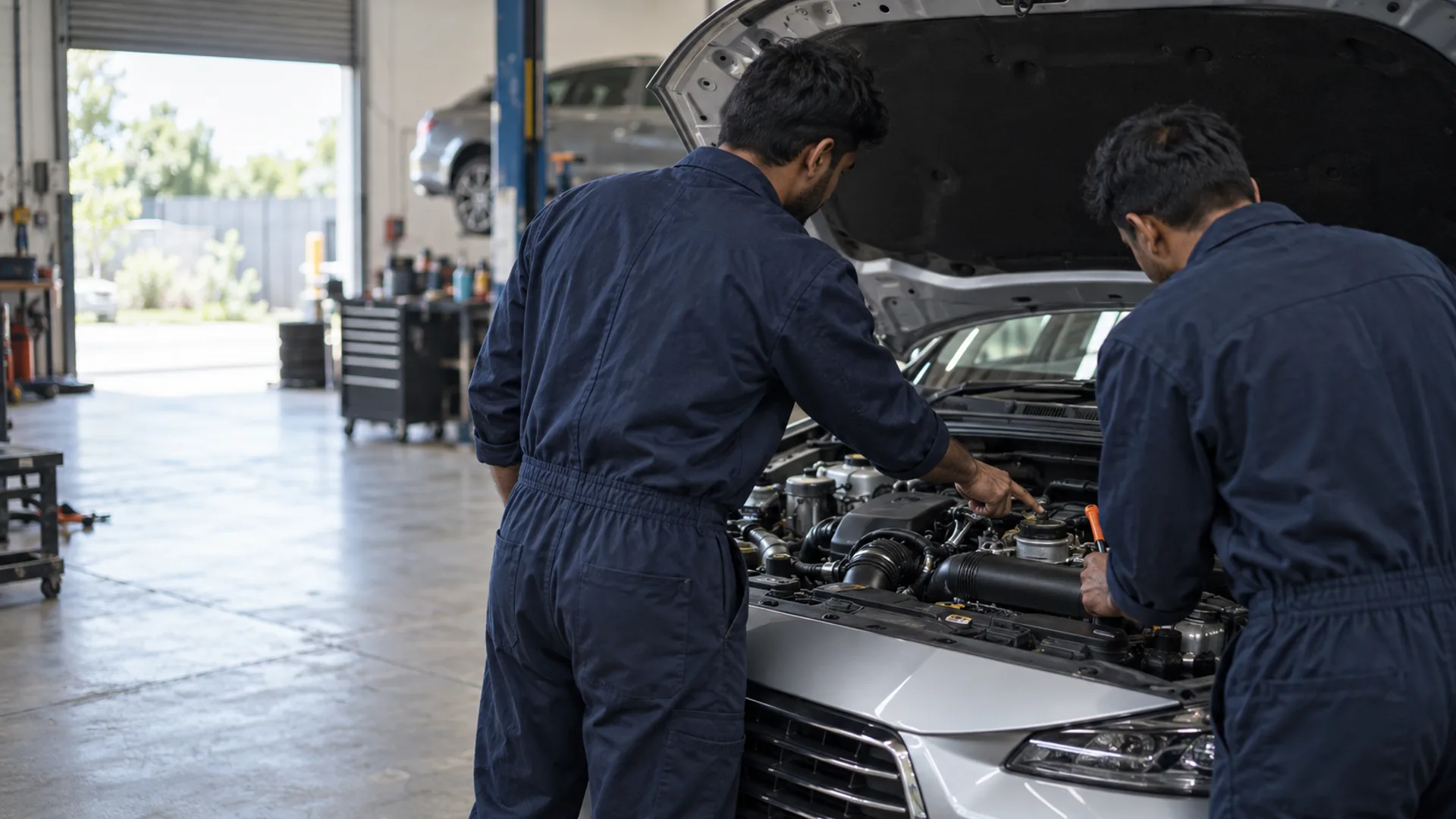
Tell us the car, the symptom and your city. A person calls back to say what we can do there and what the diagnosis costs.
Before you book
Questions we get asked

If your question is not here, ask it. We would rather answer honestly now than have you find out after booking.