
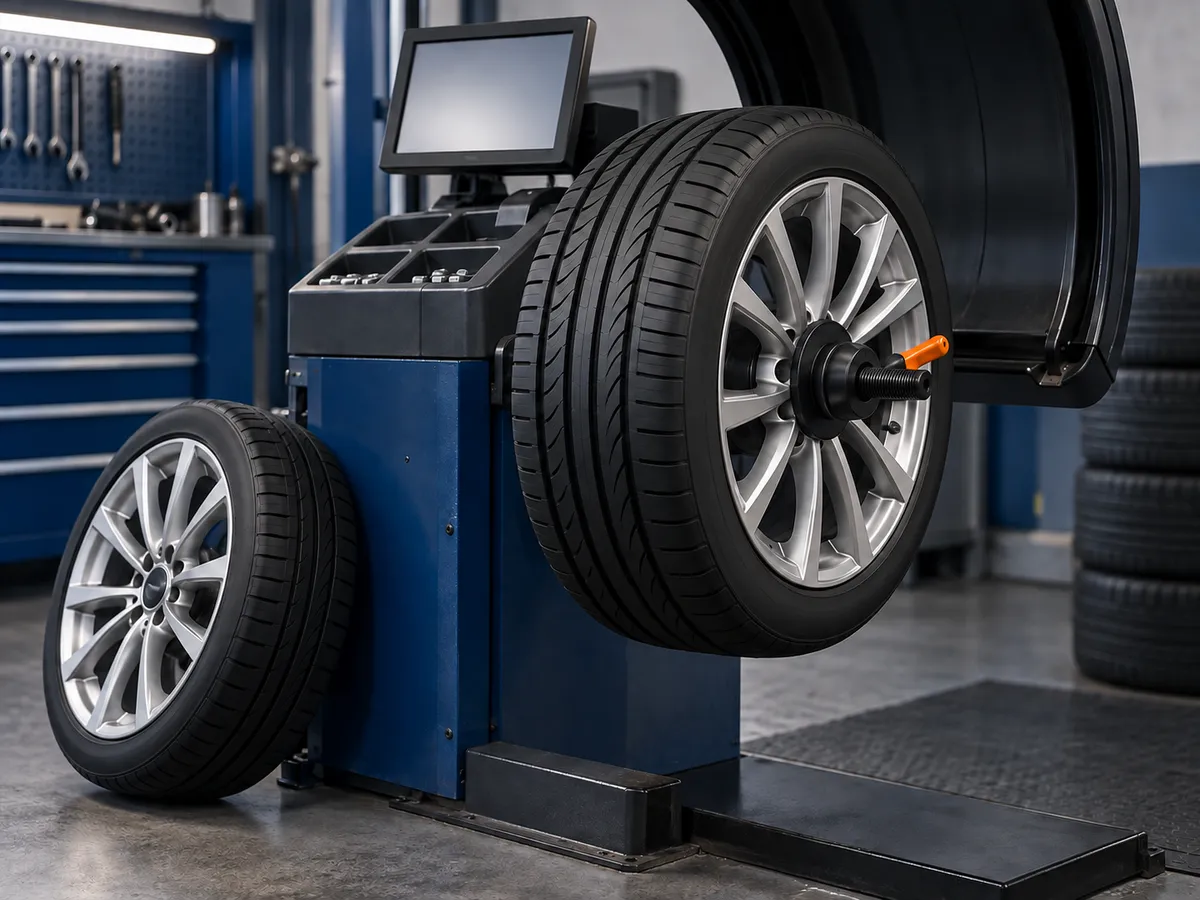
Honda Civic pulling to one side
On a Honda Civic, this usually comes down to worn suspension bushes or ball joints or torque steer on a turbocharged front-drive car. Below are the causes that fit this car, most likely first, and what fixes each one.
Why a Honda Civic is pulling to one side
1.8 L R18 i-VTEC petrol · 1.5 L L15B turbo petrol
| Likely cause | How likely | The fix |
|---|---|---|
Worn suspension bushes or ball jointsFits the Civic Worn rubber bushes let the wheel move under load, changing alignment while driving. A pry-bar inspection on a lift finds play. | Possible | Bush replacement |
Torque steer on a turbocharged front-drive carFits the Civic Strong torque through unequal-length drive shafts tugs the wheel under hard acceleration. It is normal to a degree; worn engine mounts make it worse. | Possible | Engine mount replacement |
Uneven tyre pressure A soft tyre has more rolling resistance and drags the car toward it. Checking and correcting pressures is the first step. | Common | Puncture repair |
Wheel alignment out after potholes Hitting potholes and speed breakers shifts the toe and camber settings. A computerised alignment check shows the angles. | Common | Wheel alignment |
Sticking brake caliper A caliper that does not release drags one wheel, causing a pull and heat. A hot wheel and drag when spun by hand confirm it. | Possible | Brake caliper repair |
Tyre construction fault or mismatched tyres A tyre with a shifted belt, or different brands left and right, can pull. Swapping the front tyres side to side shows whether the pull follows the tyre. | Possible | Tire rotation |
Causes marked “Fits the Civic” apply because of how this car is built: its petrol engine, MANUAL/AUTOMATIC/CVT gearbox, timing chain or a CNG conversion.
General guidance based on how these cars are built and how they commonly wear. Your car’s own history matters more than any list, which is why a technician confirms the cause before quoting.
Can you keep driving?
Usually yes, carefully, for a short distance. If it pulls hard only when braking, or a wheel feels very hot after a drive, treat it as a brake fault and get it checked before longer trips.
Checks you can do first
- Check all four tyre pressures when cold against the label in the door frame.
- Look for uneven wear on the inner or outer edges of the front tyres.
- Note whether it pulls all the time or only when braking.
- After a drive, carefully feel near each wheel (not the disc) for one that is much hotter.
How a technician diagnoses it on a Civic
Step 1
Set tyre pressures and road-test on a flat road.
Step 2
Measure alignment angles on a computerised machine.
Step 3
Inspect bushes, ball joints and tie-rod ends for play.
Step 4
Check each brake for drag and heat.
Other Honda Civic problems
- Civic AC not coolingWidely reported on this model
- Civic knocking from the suspensionWidely reported on this model
- Civic juddering or whining from the CVTWidely reported on this model
- Civic vibrating at idleWidely reported on this model
- Civic smelling of fuelWidely reported on this model
- Civic not starting
- Civic cranking but not starting
- Civic showing a check engine light
- Civic squeaking when braking
Parts usually involved
Car pulling to one side on other cars
Get your Civic looked at
Tell us the Honda Civic, the symptom and where the car is. A person calls back to say what we can do in your city and what the diagnosis costs.
Before you book
Questions we get asked

If your question is not here, ask it. We would rather answer honestly now than have you find out after booking.